How to Dress Old Money on a budget: 15 Affordable Styling Rules (2026)
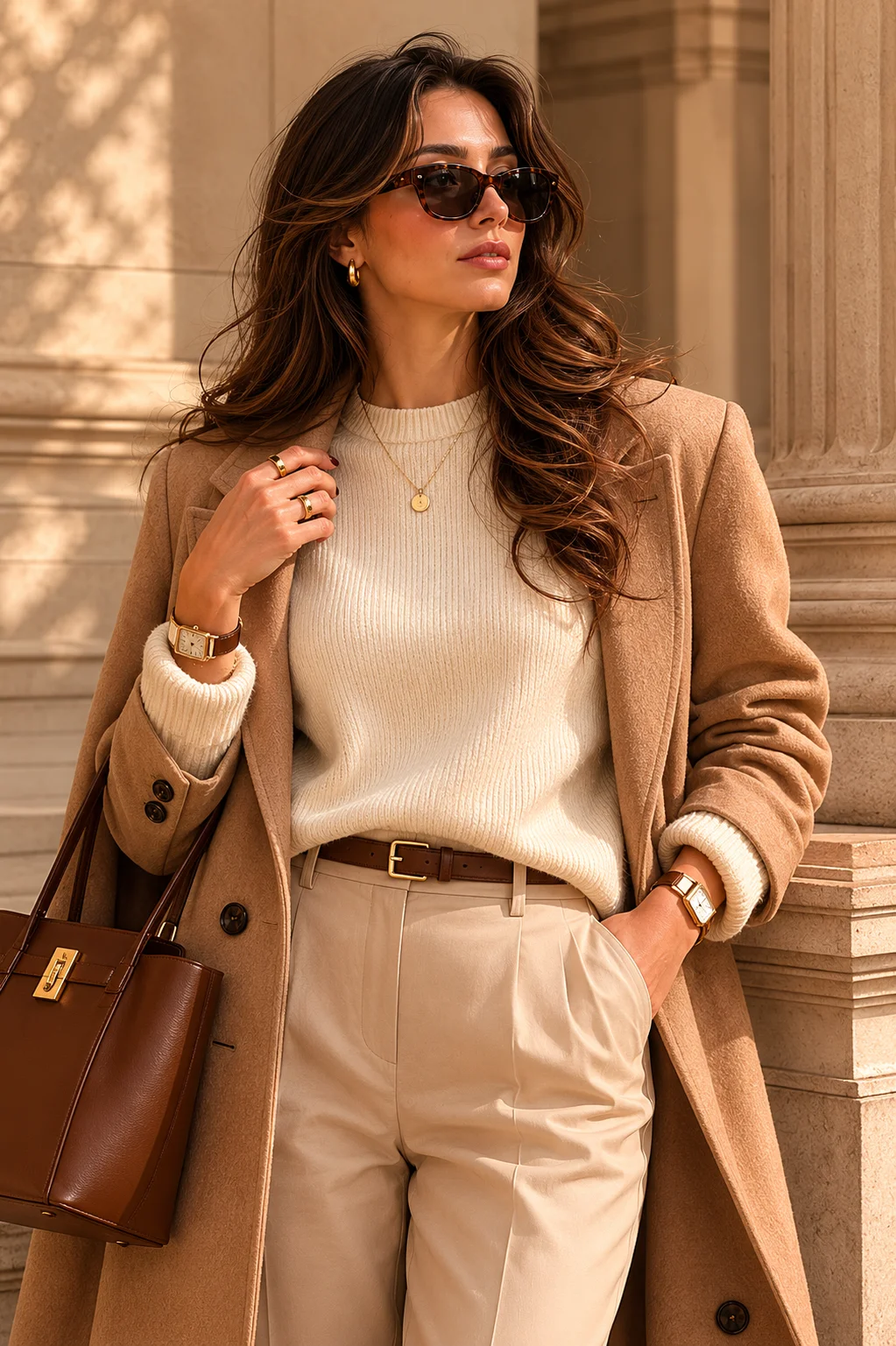
Learning how to dress old money on a budget is one of the most valuable style skills you can develop in 2026. The old money aesthetic is built on principles including quality, fit, restraint, and a specific color palette rather than on price tags. Once you understand those principles you can apply them at any budget and look genuinely expensive without spending a fortune.
I have spent a significant amount of time studying how to dress old money on a budget. What actually works, what the high street alternatives are, and which specific shopping strategies get you closest to the real thing for the least money. This guide gives you 15 concrete actionable rules that will transform how you shop and dress starting today.
The Core Principles of Budget Old Money Dressing
Before we get into the specific rules for how to dress old money on a budget you need to understand what old money aesthetic is actually built on. It is not built on expensive brands. It is built on three foundational principles that cost nothing to apply.
- Fit above everything else — a cheap blazer that fits perfectly looks more expensive than a luxury blazer that does not
- The right color palette — cream, camel, navy, forest green, burgundy. Staying in these colors immediately reads as old money regardless of what you paid
- Fabric quality signals — natural looking fabrics even affordable versions of wool, cotton, and silk-feel always look better than obviously synthetic alternatives
Keep these three principles in mind as you go through all 15 rules for how to dress old money on a budget. They are the foundation everything else builds on.
15 Rules: How to Dress Old Money on a budget
Rule 1: Invest in Fit Before Brand
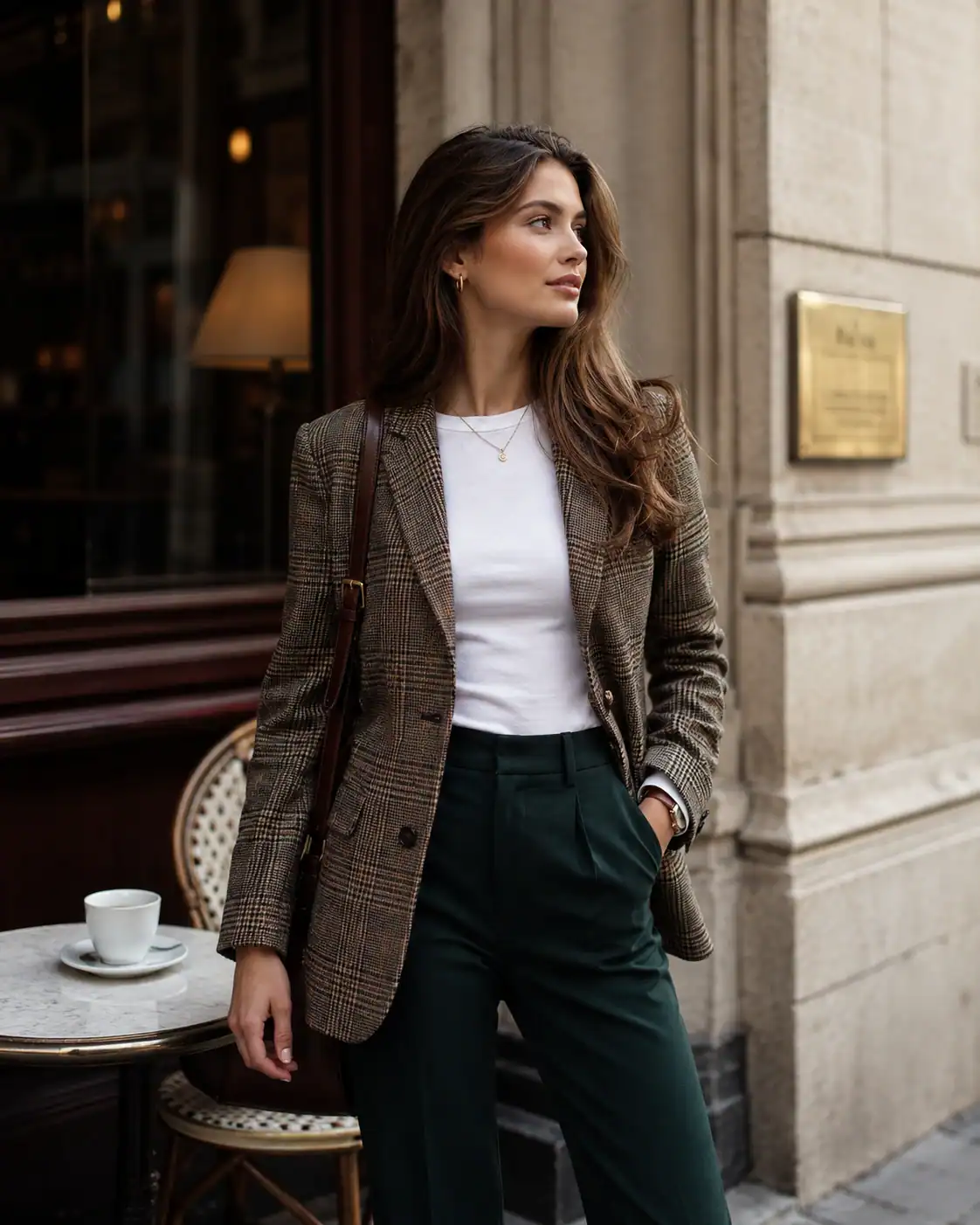
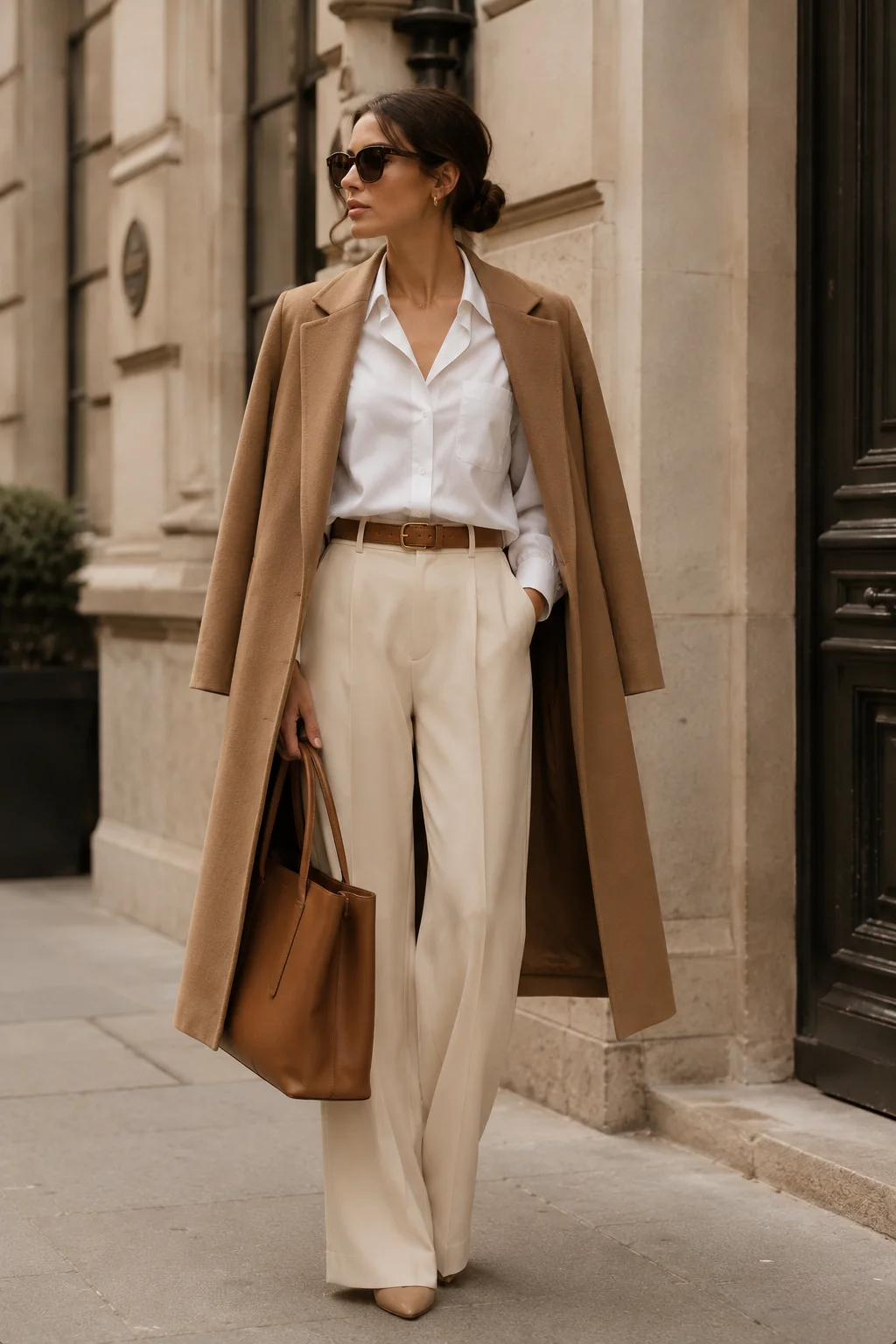
When you are learning how to dress old money on a budget the single most important thing to understand is that fit transforms everything. A thirty dollar blazer from Zara that fits your shoulders perfectly and has clean lines will look more expensive than a three hundred dollar blazer that pulls across the back. If you buy one thing with your budget buy a tailor phone number. Basic alterations cost fifteen to thirty dollars and can transform affordable pieces completely into something that genuinely looks expensive.
Rule 2: Shop the Old Money Color Palette Exclusively
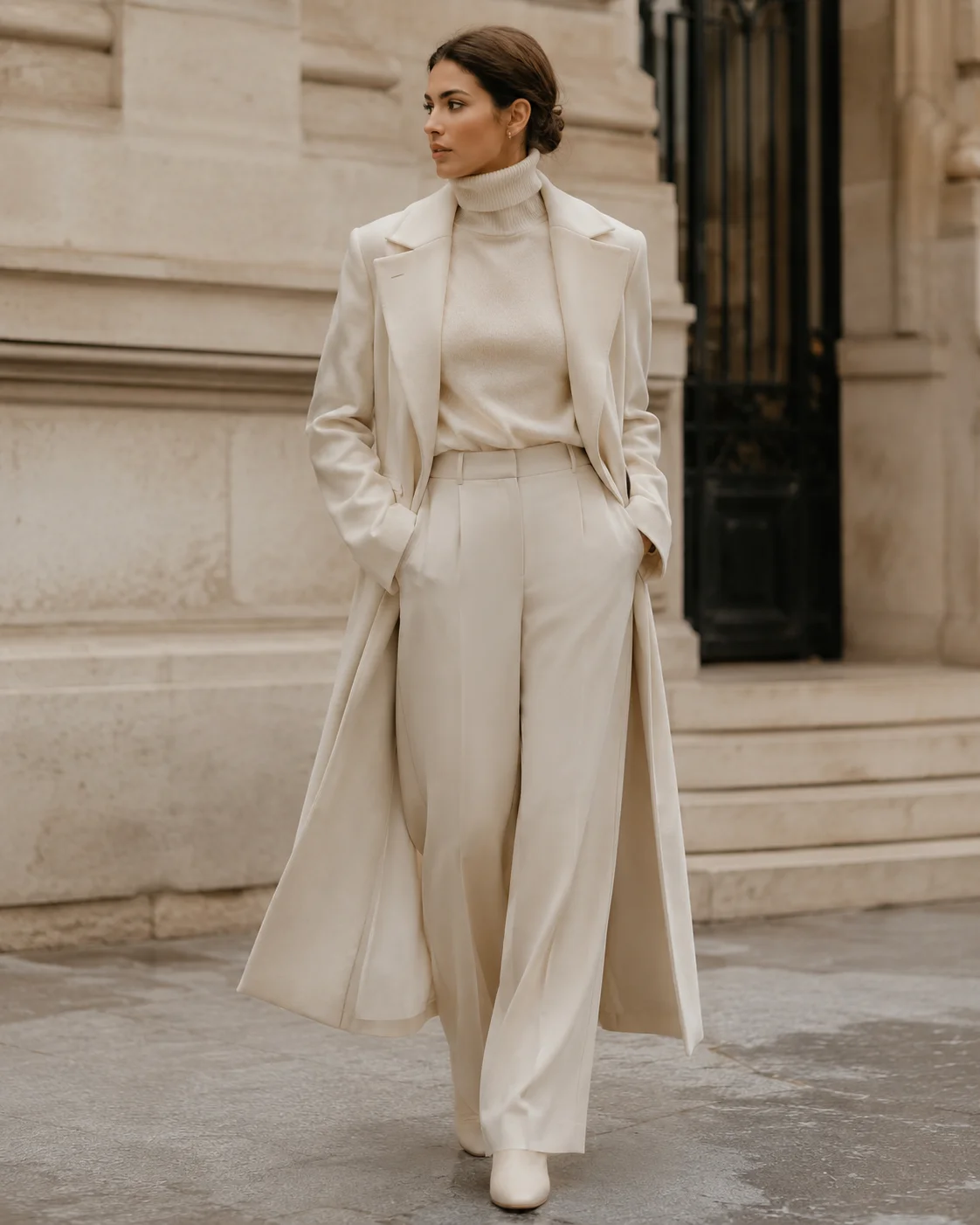
Cream, ivory, camel, tan, navy, forest green, burgundy, soft grey, chocolate brown. These are your only colors when dressing old money on a budget. The moment you walk into any store whether Zara, H&M, or Mango, only look at items in these tones. This single rule will save you money and build a cohesive wardrobe faster than any other strategy. You will stop buying things that do not work together and start building a wardrobe where everything connects.
Rule 3: Zara Is Your Best Friend
Zara consistently produces excellent old money aesthetic pieces including tailored blazers, straight-leg trousers, structured coats, and silk-feel blouses at prices that make dressing old money on a budget genuinely achievable. The key is buying from Zara more structured and classic collections and avoiding the overly trendy pieces that fill most of their floor space. Go straight to the tailored section.
Rule 4: Always Check Thrift Stores First
Old money aesthetic pieces are the best category of clothing to buy secondhand. Classic blazers, wool coats, leather loafers, and cashmere-feel sweaters age beautifully and are abundant in thrift stores, charity shops, and secondhand platforms. ThredUp at thredup.com specifically has an excellent filter for finding old money aesthetic pieces at a fraction of the original price. This is how to dress old money on a budget most effectively.
Rule 5: Buy One Excellent Coat and Wear It Everywhere
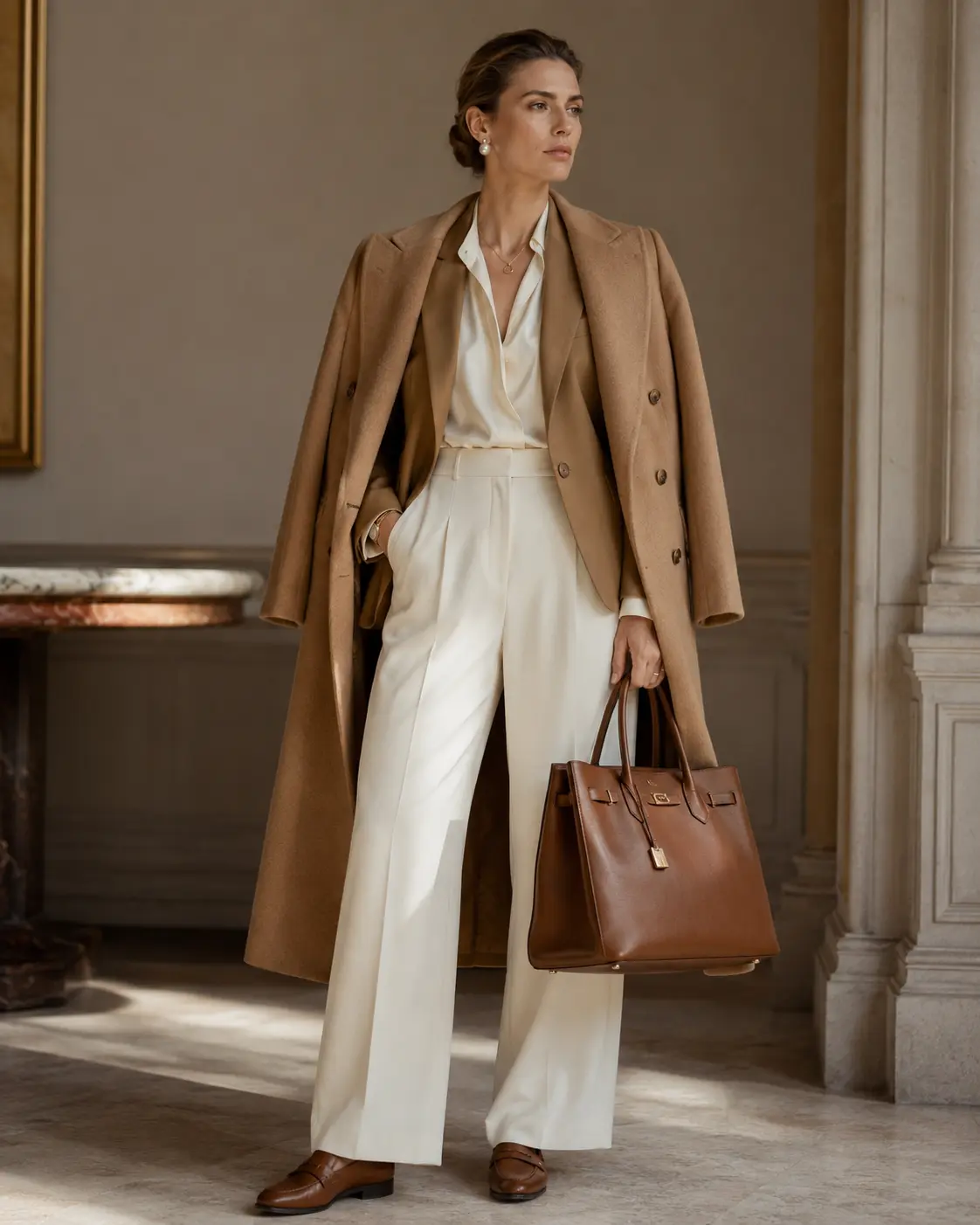
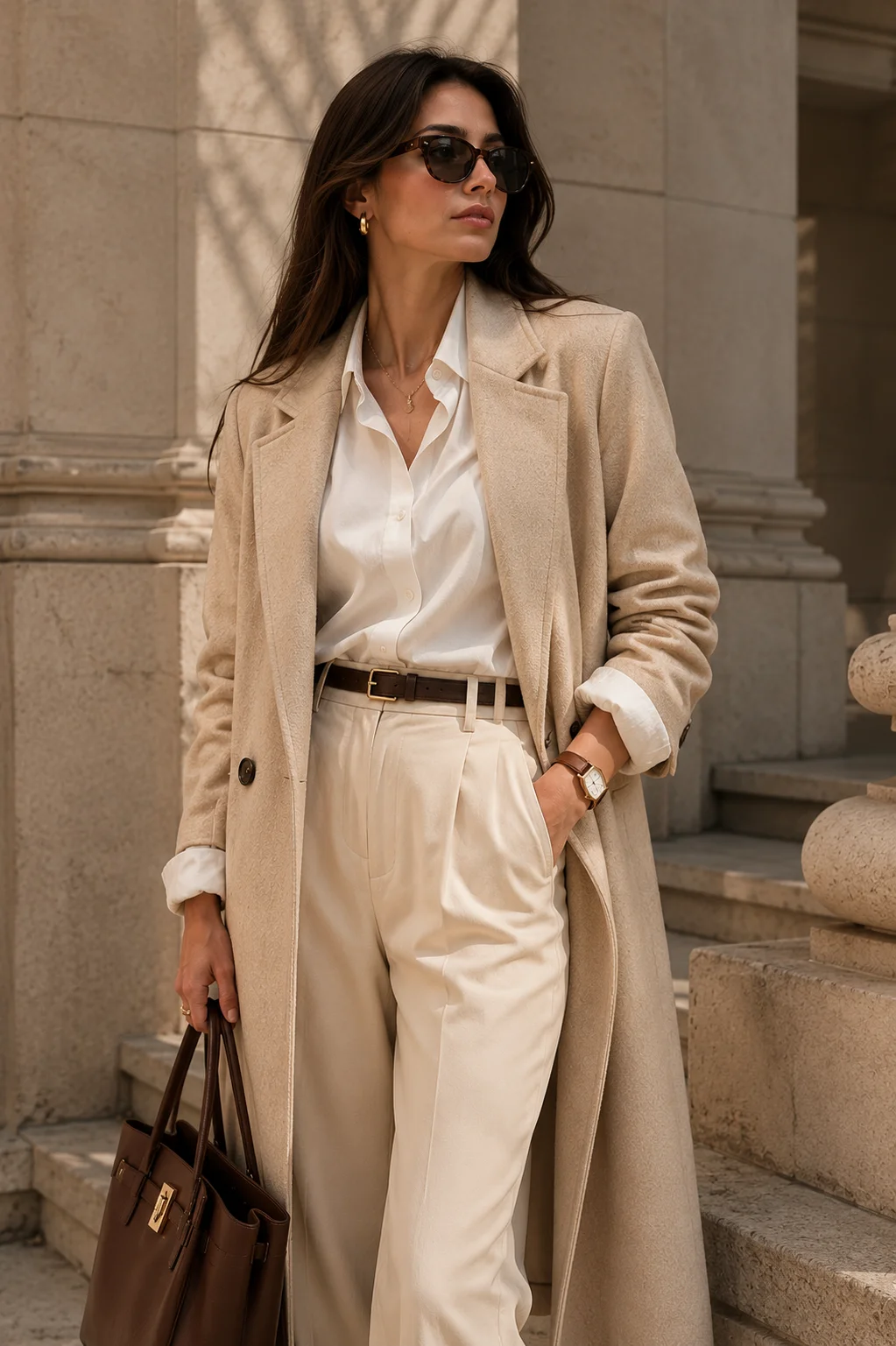
When learning how to dress old money on a budget prioritize your outerwear budget above all else. A beautiful camel wool-blend coat from Mango or Zara at eighty to one hundred and fifty dollars instantly makes everything underneath look expensive even if what is underneath is entirely budget. The coat is the first thing people see and it sets the register for the entire outfit before anything else is noticed.
Rule 6: Choose Natural-Looking Fabrics
You do not need to buy actual cashmere to look old money. You need fabrics that look and feel natural. Affordable alternatives that photograph and wear well include viscose blends for silk-look blouses, wool-blend knits for sweaters, and polyester-linen blends for summer pieces. Avoid anything that looks plastic or shiny under normal light as this is the most reliable way to identify cheap fabric at a glance.
Rule 7: The White Shirt Is Your Most Powerful Budget Piece
A perfectly fitted white Oxford or poplin shirt is arguably the single most important piece for dressing old money on a budget. It works under blazers, tucked into trousers, belted as a dress, or knotted at the waist. It signals cleanliness and classic taste. You can find an excellent one at H&M or Uniqlo for under twenty-five dollars. This is the highest return on investment available in budget old money dressing.
Rule 8: Avoid Logos and Brand Signaling
This is a rule that saves you money while helping you dress old money on a budget simultaneously. The entire point of old money aesthetic is no logos which means you never need to pay the premium for designer branding. The most old money outfit you can wear has no visible brand identification at all. Logo-free dressing is simultaneously the most affordable and most authentically old money approach.
Rule 9: Build Around a Core 10 Pieces
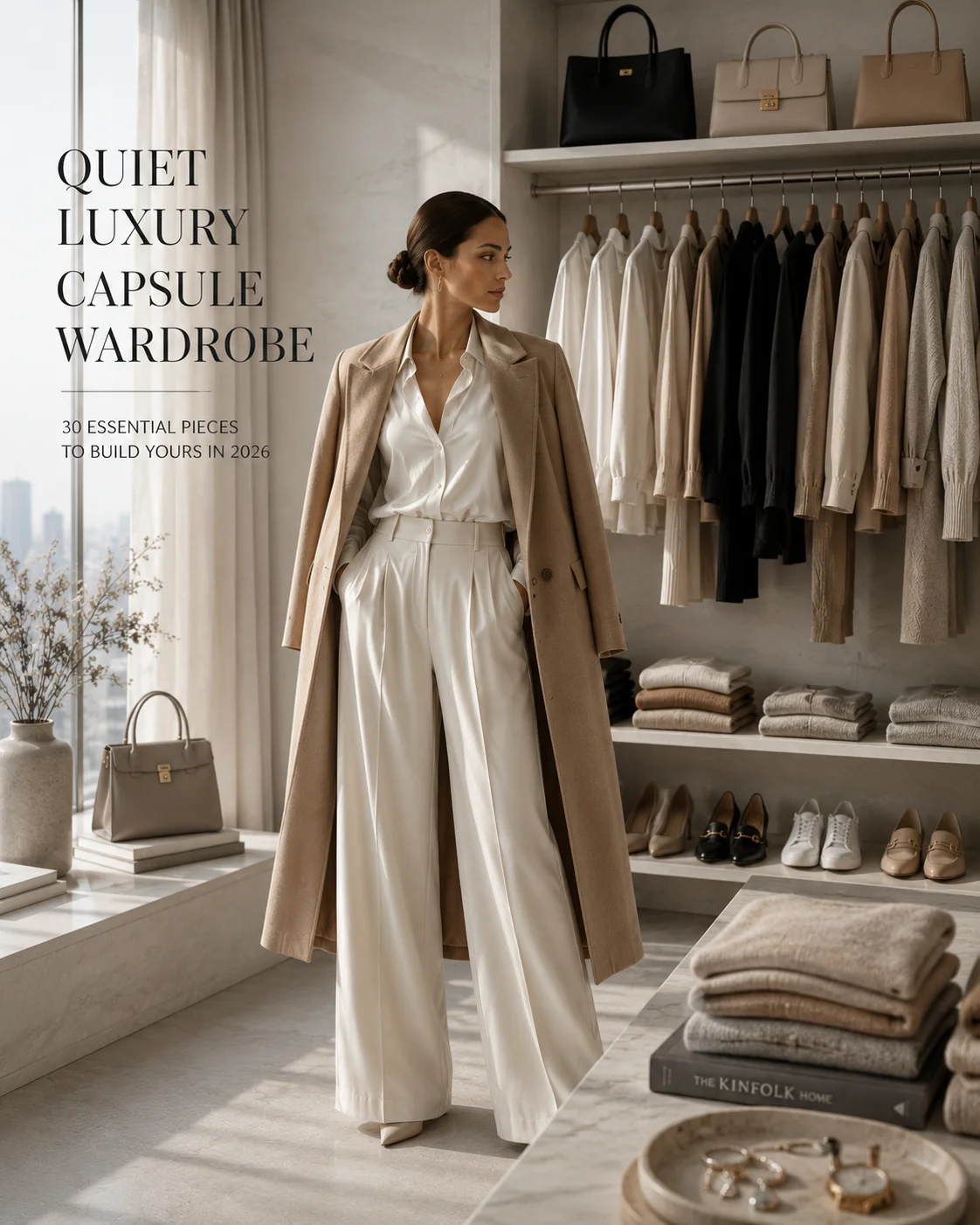
A budget old money wardrobe works on the capsule principle. Fewer, better-chosen pieces that all work together. Your core ten pieces are one camel coat, one tailored blazer, two pairs of tailored trousers in cream and navy, one white shirt, two quality knits, one silk-feel blouse, one leather belt, and one structured bag. Everything else is optional and can be added over time as budget allows.
Rule 10: Invest in Leather Accessories Over Clothing
When you have extra budget put it into leather accessories rather than more clothing. A genuine leather belt at thirty to fifty dollars, a quality leather tote at sixty to one hundred dollars, and leather loafers or pointed-toe flats at fifty to eighty dollars elevate any outfit instantly. Fake leather accessories visibly betray any old money look and this is the one area where genuine leather matters most when learning how to dress old money on a budget.
Rule 11: Shop End of Season Sales
The best old money aesthetic pieces including coats, blazers, and quality knitwear go on sale at the end of each season at forty to seventy percent off. Shopping Mango, Zara, and Massimo Dutti end-of-season sales means you can build a genuine old money wardrobe at a fraction of the regular price. Plan your wardrobe a season ahead and shop the sales rather than buying at full price.
Rule 12: Uniqlo for Basics
Uniqlo basics including their cashmere range, merino wool knits, Oxford shirts, and Heattech thermals are genuinely excellent quality at accessible prices. For the foundation pieces of a budget old money wardrobe Uniqlo consistently overdelivers on quality relative to price. Their cashmere crewnecks in particular are old money staples available at a fraction of designer prices.
Rule 13: Press and Steam Everything
An unironed unpressed outfit will never look old money regardless of the price or quality of the pieces. Old money dressing requires clean pressed clothing always. Investing in a steamer at twenty-five to forty dollars and using it every time you dress is the cheapest styling upgrade available when learning how to dress old money on a budget. Pressed clothes look more expensive than unpressed clothes at every price point.
Rule 14: Pay Attention to Proportion
Old money outfits always have intentional proportion. A fitted top with a relaxed trouser or an oversized knit with a slim skirt. Mixing proportions thoughtfully looks considered and expensive. Wearing all oversized or all tight looks lazy and cheap regardless of what you paid. Proportion is a styling skill that costs nothing and transforms how any outfit reads.
Rule 15: Wear Less, Not More
The final and most important rule for dressing old money on a budget is restraint. Old money women do not pile on accessories, layer multiple statement pieces, or try to fill their outfit with things. Three elements maximum per outfit. One accessory. One bag. This restraint is what makes old money style look genuinely expensive and it costs absolutely nothing to apply.
Best Affordable Stores for Old Money Pieces
- Zara (zara.com) — best for blazers, trousers, coats, and structured pieces
- Mango — excellent quality-to-price ratio on knitwear and outerwear
- Uniqlo — best basics: cashmere, merino, Oxford shirts
- H&M Conscious and Premium — affordable silk-feel blouses and linen pieces
- Massimo Dutti — step up in quality with excellent sales throughout the year
- ThredUp (thredup.com) — secondhand old money pieces at fraction of original cost
- eBay and Vinted — branded secondhand old money finds for serious bargains
Your Budget Old Money Shopping Checklist
Use this checklist every time you shop to stay on track with dressing old money on a budget. If any answer is no put it back.
- Is it in the old money color palette?
- Does it fit well right now or can it be easily altered?
- Does the fabric look natural rather than synthetic?
- Is there no visible logo or brand signaling?
- Is the silhouette classic and timeless rather than trendy?
- Will it work with at least five other pieces you already own?
- Will you still want to wear this in three years?
This checklist is How to Dress Old Money on a budget without accumulating a wardrobe full of things that almost work but never quite do.
Frequently Asked Questions
How to Dress Old Money on a budget?
You can build a complete functional old money wardrobe for three hundred to five hundred dollars if you shop strategically using Zara, Mango, Uniqlo, and secondhand platforms. The key is buying fewer pieces at better quality rather than many cheap items that never quite work together.
Can you dress old money with H&M?
Yes. H&M more structured pieces especially from their Conscious and Premium collections can absolutely work for old money dressing on a budget. Always focus on the classic pieces in neutral tones and ignore the trendy items that fill most of the store.
What is the single most important piece for old money on a budget?
A well-fitted camel or cream blazer. It is the most versatile, most recognizable old money piece and can be found at excellent quality at Zara, Mango, or secondhand for under sixty dollars. This single piece transforms more outfits than anything else in budget old money dressing. How to Dress Old Money on a budget
Is Amazon good for old money aesthetic pieces?
Amazon has some excellent old money finds particularly for basics like Oxford shirts, tailored trousers, and leather-look accessories. See our dedicated old money Amazon shopping guide for our best researched finds.
How is dressing old money on a budget different from quiet luxury on a budget?
The principles are very similar. Both require neutral palettes and quality-looking fabrics. Old money on a budget allows slightly more personality including plaid, polo shirts, and heritage patterns while quiet luxury stays stricter on minimalism. See our quiet luxury guide for a full comparison of the two approaches.
Save this guide for outfit inspiration. More on TheSilkJournal.com: 25 Old Money Outfit Ideas | Quiet Luxury Capsule Wardrobe | How to Look Expensive | Old Money Color Palette