

A suede trench coat outfit winter — long, belted, softer than cotton — is one of the best-dressed looks of the season, and one of the few that comes with a weather warning. Suede is the fabric of autumn/winter 2026, and the trench is its most wearable shape: long, belted, and softer than the classic cotton version.
Suede trench coat outfit winter: the quick answer
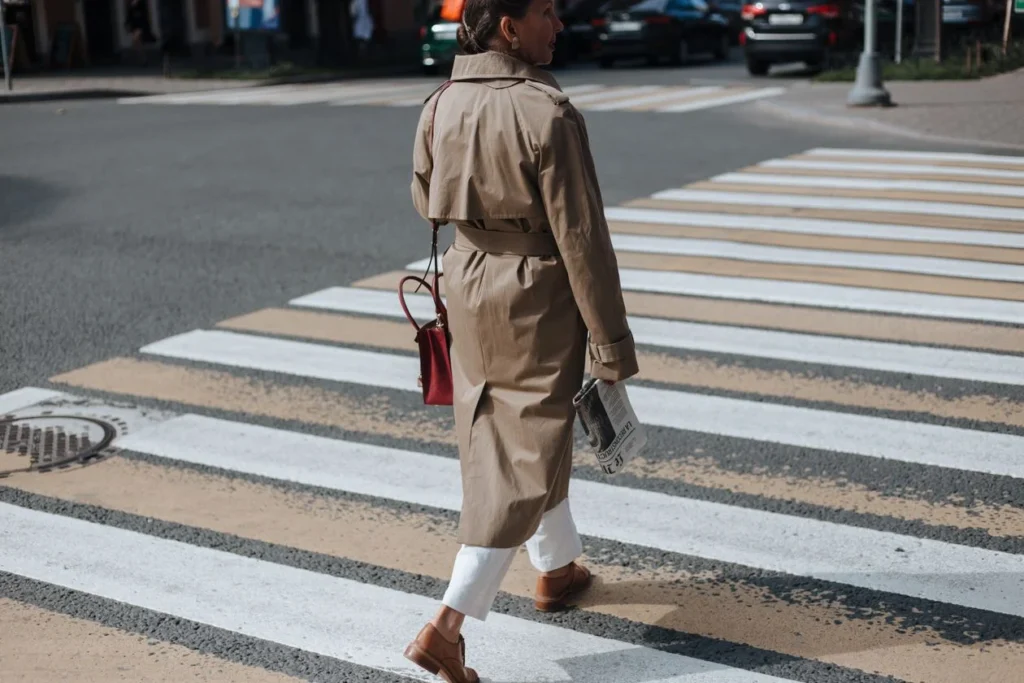
Wear a suede trench coat like a classic trench, but treat it like suede. Choose a longline, belted shape in chocolate brown, tan, olive or burgundy. Underneath, wear a fine knit with straight-leg jeans or tailored trousers and boots — the coat is the statement, so everything under it stays simple. Spray it with a suede protector spray before the first outing, and wear it on dry days. In rain, wear a different coat: spray buys you time in a light shower, but it does not make suede waterproof. The simplest formula is one suede coat plus one light neutral — a brown suede trench over a cream roll-neck, or over black with black boots.
Why suede, and why a trench, this winter?
Suede is the fabric of the season for autumn/winter 2026 — Ideal Magazine calls suede the fabric of the season, with the push coming from the catwalks, where suede appeared in coats, gloves and over-the-knee boots. The trench is the shape that makes the trend wearable: unlike a short suede jacket, a trench covers most of an outfit, goes over tailoring as easily as over jeans and a jumper, and does not date. Suede also soaks up light where smooth leather reflects it, so the same coat looks warmer than a leather trench. If you already own a classic cotton trench, read how to wear a trench coat in winter first: the length, belt and proportion rules carry over.
What is a suede trench coat?
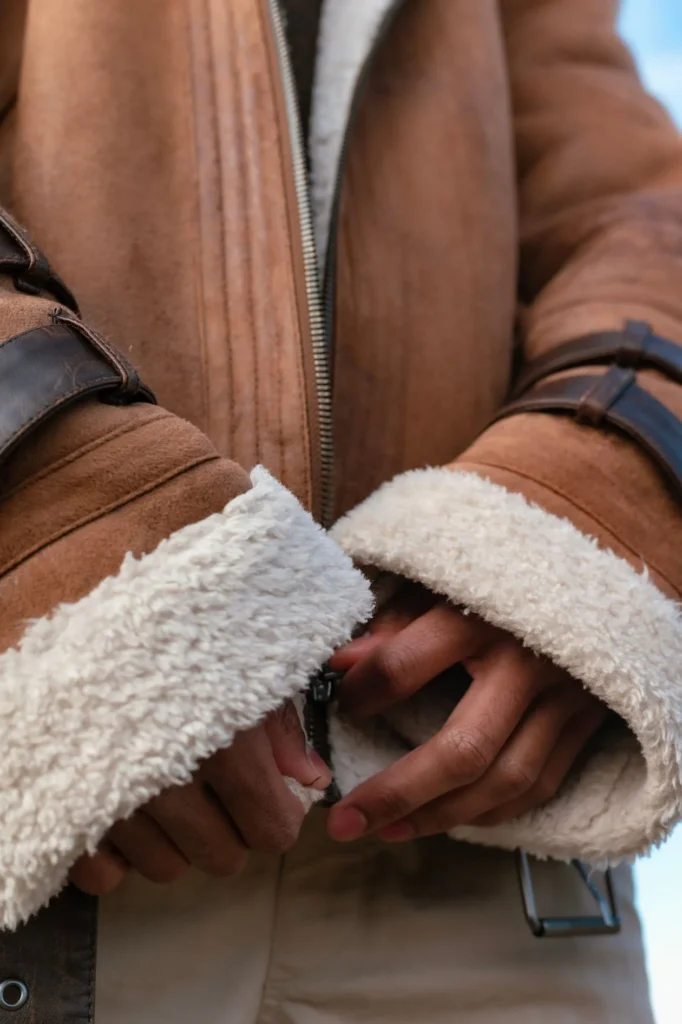
A suede trench coat is a long, belted coat in the classic trench shape — wide lapels, a waist belt, and a length that falls below the knee — made in suede instead of cotton gabardine. Suede is leather with a soft, napped surface: the underside of the hide, brushed to a matte, velvety finish. That nap gives the coat its depth of colour and soft feel — and it is also what makes it absorb water, oil and dye far more readily than smooth leather. Most suede trench coats this season come in chocolate brown, tan or cognac, with olive green and burgundy as the alternatives; brown is the easiest starting point. Faux suede is the other option — usually polyester with a brushed finish. It looks close to the real thing, costs far less, and much of it can go in the washing machine.
Choosing the right one: length, colour and fit
Length first. A suede trench should fall below the knee — mid-calf is the sweet spot, long enough to read as a trench, short enough to walk in. If you are petite, look for a defined waist and keep the belt tied rather than hanging. Our guide to how to choose a winter coat covers the length decision in detail. Colour second. Chocolate brown is the safest and most versatile: it works with cream, black, grey, navy and burgundy. Tan and cognac are lighter — better with denim, but they show marks more easily. Olive green pairs with rust, chocolate, camel and cream. Burgundy is the boldest — our guide to burgundy and chocolate brown covers the pairings in full: wear it over black or cream. Fit third. A trench should skim, not cling — try it on over the thickest jumper you plan to wear with it.
| Coat colour | Wear it with | Best for |
|---|---|---|
| Chocolate brown | Cream knit, black boots, dark jeans | Everyday, work, evenings |
| Tan / cognac | Dark denim, cream roll-neck, brown boots | Autumn days, casual weekends |
| Olive green | Rust, chocolate, camel, cream | Earthy wardrobes, tonal outfits |
| Burgundy | Black, cream, grey wool trousers | Evenings, statement days |
How to wear a suede trench coat in winter: outfit formulas
With jeans: a chocolate suede trench, a cream roll-neck, straight-leg dark jeans and brown or black ankle boots. Belt it for a defined waist, or wear it open. This is the everyday formula.
With tailored trousers: a suede trench over a fine knit and grey or charcoal wool trousers, with loafers or heeled boots. The trench’s long line makes tailoring look intentional. For the layers underneath, see our guide to the warmest fabrics for winter.
With a dress or skirt: a suede trench over a knit midi dress, with knee-high boots. The coat covers the dress, so the dress can be simple — a ribbed knit in cream, black or burgundy. Keep the dress hem shorter than the coat hem.
For evenings: a suede trench worn open over a slip dress or a silk blouse and tailored trousers, with heeled boots. Leave the belt loose or off. Burgundy suede is the best evening colour; chocolate is the safest.

What to wear underneath: layering for warmth
A suede trench coat is not, on its own, a very warm coat. Suede blocks wind reasonably well, but it has no insulation of its own — the warmth comes from what you wear underneath. Start with a fine knit, not a chunky one: a merino roll-neck or a cashmere crew-neck gives warmth without bulk. A chunky knit under a belted trench bunches at the waist — save it for days when you wear the coat open over jeans. Add a thermal base layer under the knit on the coldest days; nobody sees it. On your lower half, choose for warmth: wool trousers, dark jeans with thermal leggings underneath, or a knit dress with fleece-lined tights. Knee-high boots under a long trench are the warmest combination. Suede boots pair naturally with a suede coat, as long as the browns do not try to match exactly — see how to care for suede boots in winter for the boots’ own rain routine.
Suede and rain: the honest rules
Suede is not waterproof, and no spray makes it waterproof. Protector spray creates a water-resistant barrier that lets light rain bead off instead of soaking in — but it only buys you time. When suede gets wet and then dries, the nap can become stiff and brittle, and water can leave marks. Most suede-care experts recommend wearing suede only in dry weather.
Before the first wear: spray the whole coat with a protector made for suede and nubuck, outdoors or in a ventilated room, holding the can about 15 to 30 cm away, in light, even passes. Let it dry fully — overnight is ideal — then give it a second light coat. Test the spray first on a hidden spot, such as under the collar. Reapply every few weeks in wet seasons; if water stops beading, it is time to reapply.
If it gets caught in rain: do not panic, and do not reach for heat. Blot — do not rub — the wet areas with a clean, dry cloth, then hang the coat on a wide, shaped hanger and let it air-dry slowly at room temperature, away from radiators, hairdryers and direct sun. Forced heat stiffens suede and can crack it. Once fully dry — give it a full day — brush the nap gently with a suede brush, first in one direction, then lightly against it, to lift the texture back up. Most light water marks fade as the nap lifts.
When NOT to wear it: heavy rain, wet snow, and days out in drizzle for hours. A short walk in light rain, with a fresh coat of protector and an umbrella, is a calculated risk most suede owners take. A rainy commute or a walk in sleet is not — wear a waterproof coat instead. Road salt can leave white marks on suede, so wipe the hem and cuffs with a dry cloth when you come in.

Accessories: what works with a suede trench
A smooth leather bag is the best partner — it contrasts with the suede’s nap. A suede bag in the same shade as the coat is the combination to avoid.
- Bags: a structured leather tote in chocolate, black or tan. Keep it smooth, not suede.
- Boots: knee-high leather boots for polish, suede ankle boots for texture. If the boots are suede, protect them with the same spray routine as the coat.
- Scarves: a cream or camel wool scarf softens the neckline and adds warmth the coat itself does not provide. Silk looks wrong against suede’s matte surface.
- Gloves: leather gloves in black or dark brown are the practical choice, and they keep the suede cuffs clean.
- Jewellery: gold reads warmer against brown suede than silver does, and a simple chain or small hoops are enough — the coat is already the statement.
Care and storage through the season
Brush the coat with a suede brush after dusty or damp days, always in one direction to lift the nap, and use a suede eraser on dry scuffs before they set. Keep it on a wide, shaped hanger — never a wire hanger — and give it space so the nap is not flattened. Store it in a breathable garment bag, not plastic, which traps moisture. At the end of the season, brush it, spray it once more, and store it clean and dry. The knits underneath deserve the same attention — see how to care for silk, cashmere, velvet and wool before the first wash of the season.
Common mistakes and how to fix them
- Wearing it in rain because you sprayed it once. Protector spray is a delay, not a shield. Fix: check the forecast, and keep a waterproof coat for wet days.
- Drying it on a radiator. Heat stiffens suede and can crack it. Fix: air-dry slowly, then brush the nap back up.
- Matching suede boots and bag to the coat exactly. Fix: let the shades differ, and make the bag smooth leather.
- Wearing a chunky knit under a belted trench. It bunches at the waist. Fix: fine knits under the coat.
- Skipping the protector spray. Suede absorbs oil and dye as well as water. Fix: spray before the first wear.
- Buying tan suede for a wet winter. Light suede shows every mark. Fix: choose chocolate brown or faux suede.
Shopping guidance: what to buy first
Buy the coat in the best quality you can afford — it is the piece everyone sees, and real suede’s texture is the whole point. Before you pay, check three things: the nap should feel even and soft, with no shiny or bald patches; the seams should be clean and the lining full; and the care label should say honestly what you are buying — dry clean only or washable, real or faux suede. No prices are promised here, because they change by store and season. If the budget only stretches to one suede piece this winter, make it the coat. Buy the protector spray and a suede brush in the same trip, so the coat is protected before its first outing.
Frequently asked questions
Can you wear a suede trench coat in the rain?
Light rain, briefly, with a fresh coat of protector spray — and an umbrella. Heavy rain, no: spray only delays water soaking in. If the forecast says rain all day, wear a waterproof coat instead.
How do I protect my suede trench coat from rain?
Spray it with a protector made for suede before the first wear, let it dry overnight, add a second light coat, and reapply every few weeks in wet weather. Carry an umbrella and brush the nap after wearing.
What should I do if my suede coat gets wet?
Blot the wet areas with a clean, dry cloth — do not rub. Hang it on a wide hanger and let it air-dry slowly at room temperature, away from radiators and direct sun. Once fully dry, brush the nap gently with a suede brush to lift the texture back up.
Is a suede trench coat warm enough for winter?
On its own, no — suede has little insulation. It works over a fine knit, a thermal base layer, wool trousers and boots: the coat is the finish, the layers underneath are the warmth.
Is faux suede better than real suede for winter?
For wet weather, yes — faux suede is usually polyester, costs far less, and handles light rain and washing better. For texture and longevity in a dry winter, real suede looks and ages better. Choose by your weather.
Conclusion
A suede trench coat is winter 2026’s most rewarding coat — as long as you respect the one rule that comes with it. Style it simply, in chocolate brown over cream or black, with fine knits and boots underneath. Protect it before the first wear, wear it on dry days, and let it dry slowly and brush it out if it ever gets caught in a shower.