
You can wear the warmest coat in the shop and still feel cold — because warmth does not start with the coat. It starts with the layer against your skin. A thermal base layer is the thin, close-fitting garment worn under everything else, and the single most effective piece of winter clothing most people do not own. This guide explains thermal base layers for women: what they are, how they work, which material to choose, and what to wear under jeans, skirts, dresses and work.
The short version: buy a thin, close-fitting merino wool or synthetic base layer, matched to the weather. It adds real warmth without bulk, and it lets the rest of your wardrobe — a quiet luxury capsule wardrobe included — work harder.
The quick answer: thin, close, and moisture-wicking
A thermal base layer works in two ways: it traps a thin layer of warm air against your skin, and moves moisture away so you do not get cold and clammy. For that to work, it must sit close to the skin — loose thermals trap little air and wick poorly — and be made from a fibre that manages moisture: merino wool, a synthetic blend, or silk. Avoid cotton as a base layer in real cold: it holds moisture and feels cold once you warm up.
The framework is the three-layer system: a base layer against the skin, a mid-layer (knit or fleece) for insulation, and an outer layer (a coat) for wind and rain. The three-layer system is the standard way winter clothing is built, and it works for city winters just as well as for mountains.

What is a thermal base layer?
A thermal base layer — also called thermal underwear — is a close-fitting top, leggings, or a set, worn as the first layer under your clothes. Unlike ordinary underwear, it is designed to insulate and manage moisture, and cut to sit smoothly under other clothes without bunching or showing.
Base layers come as tops (crew-neck, long-sleeve, turtleneck, vest), bottoms (full-length or three-quarter leggings), and one-piece suits. For everyday winter wear, the two most useful pieces are a long-sleeve crew-neck top and full-length leggings: the top goes under knits, shirts and dresses, the leggings under jeans, trousers and skirts.
Thermal base layers for women are cut for a woman’s frame — narrower shoulders, a shaped waist — but the principles are the same for everyone: close fit, moisture-wicking fibre, and the right weight for the weather. Do not size up for comfort: a base layer that is too loose cannot do its job.
How thermal base layers for women work
Two things keep you warm in a base layer: trapped air and dry skin. The fibres trap tiny pockets of air, and still air is an excellent insulator — that is why a fluffy knit is warm and a flat shirt is not. At the same time, the fabric pulls moisture vapour away from your skin, so you stay dry. Wet skin loses heat far faster than dry skin, which is why you feel coldest cooling down in a damp layer after coming indoors.
This is also why cotton fails as a base layer: it absorbs moisture and holds it against the skin, so once you sweat — walking to the station, climbing stairs — it gets damp and stays damp, and you feel cold. Merino wool, synthetics and silk all move moisture away instead, which is why they are the standard base-layer fibres.
Fit is part of how it works: a base layer should feel like a second skin — snug everywhere, no sagging or bunching, but not so tight it restricts movement. If you can pinch more than a little fabric at the waist, it is too loose to trap air properly.
Materials compared: merino, synthetic, silk and cotton
Merino wool is the classic choice and, for most people, the best one. Its fibres are very fine, so they bend against the skin instead of prickling; they are naturally crimped, which traps air; and they absorb moisture vapour without feeling damp. Merino also resists odour, so you can wear it several times between washes. Merino wool base layers offer warmth without weight. The downside is price and care: merino costs more and needs gentle washing.
Synthetic base layers — usually polyester or a polyester-elastane blend — are the cheapest and the toughest. They wick moisture well, dry fast, and survive frequent washing. They are the best choice for high-activity days (walking a lot, commuting by bike, skiing) and for anyone who wants a low-maintenance option. The downside is odour: synthetics hold smells more than merino, so they need washing after every wear.
Silk is the thinnest and smoothest option, and the best under fitted clothes: a silk base layer is almost invisible under a dress or a tailored outfit. It is warm for its weight and comfortable against the skin, but it is delicate, expensive, and less warm than merino in deep cold. Choose silk when invisibility matters most — under work clothes, or under a dress for an evening.
Cotton is comfortable and cheap, but it holds moisture, so it is the wrong fibre for a base layer in cold weather. A cotton top is fine in a heated room, but it is not a thermal base layer and will not keep you warm outdoors. If a product labelled “thermal” is mostly cotton, treat it as an ordinary top.

The weight table: which base layer for which weather
| Weight | Feel | Best for |
|---|---|---|
| Lightweight | Thin, like a T-shirt | Mild winter, heated rooms |
| Midweight | Warm but still thin | Everyday winter, 0 to −5°C |
| Heavyweight | Thick, fleecy inside | Deep cold, below −5°C |
| Expedition | Very thick, often two-layer | Extreme cold, skiing |
For most city winters, a midweight merino or synthetic top and leggings cover the season. Buy lightweight for autumn and spring, and add a heavyweight set only if you spend long periods outdoors in deep cold. Two midweight sets, rotated, are more useful than one heavyweight set — a spare means you are never without one.
Fit rules: how a base layer should fit
A base layer that fits badly is either useless or uncomfortable. The top should be long enough to stay tucked in when you reach up — a top that rides up leaves a cold gap at the waist. The sleeves should reach your wrists without pulling when you stretch out. The leggings should reach your ankles and sit smoothly under jeans.
Seams matter: flatlock seams do not rub, while raised seams can chafe under a tight jean or a fitted dress. If you are sensitive to seams, look for seamless or flatlock styles. The waistband should be wide and soft, not a thin elastic that digs in.
Try the base layer on with the clothes you will wear over it: a top that looks fine alone can bunch under a fitted shirt, and leggings that feel fine bare can wrinkle under slim jeans. Put the whole outfit on, sit down, stand up, and walk around. If anything bunches, rides up or shows through, the fit is wrong.
What to wear under winter clothes: jeans, skirts, dresses and work
Under jeans: thermal leggings under straight-leg or slim jeans are the warmest everyday combination in winter. The leggings should be thin and smooth — a midweight merino legging disappears under denim — and the jeans should have a little room, because a very tight jean over a legging squeezes and bunches. For more on choosing the right jean shape, see these jeans for different waist-to-hip proportions.
Under skirts and dresses: a thermal top under a knit dress, and thermal leggings or fleece-lined tights under a skirt, make summer clothes work in winter. The base layer should be invisible: a crew-neck top under a high-neck dress, a vest under a low-neck one, and leggings that end at the ankle.
Under work clothes: this is where thin base layers earn their keep. A silk or lightweight merino top under a shirt or blazer adds warmth without changing how the outfit looks — no bulk at the shoulders, no lines at the waist. Thermal leggings under tailored trousers are invisible and make a real difference. For work-outfit ideas, see these old money work outfits.
Under a coat, on the coldest days: wear the full set — top and leggings — under your usual outfit, with the mid-layer knit on top. This is the three-layer system working as intended, and it is warmer than any single heavy garment, because each layer traps its own air. More ideas: winter outfit ideas for women.

The layering system: base, mid and outer
The three layers each have one job. The base layer manages moisture and provides the first insulation. The mid-layer — a knit, a fleece or a gilet — provides the main insulation by trapping air. The outer layer — your coat — blocks wind and rain. When the system works, you can adjust to temperature by adding or removing the mid-layer, while the base layer stays on all day.
The most common mistake is making the mid-layer too heavy and skipping the base layer. A heavy knit over a cotton T-shirt is colder than a midweight knit over a merino base layer, because the base layer is doing the moisture management that the knit cannot do. If you are cold in a heavy knit, the fix is usually underneath, not on top.
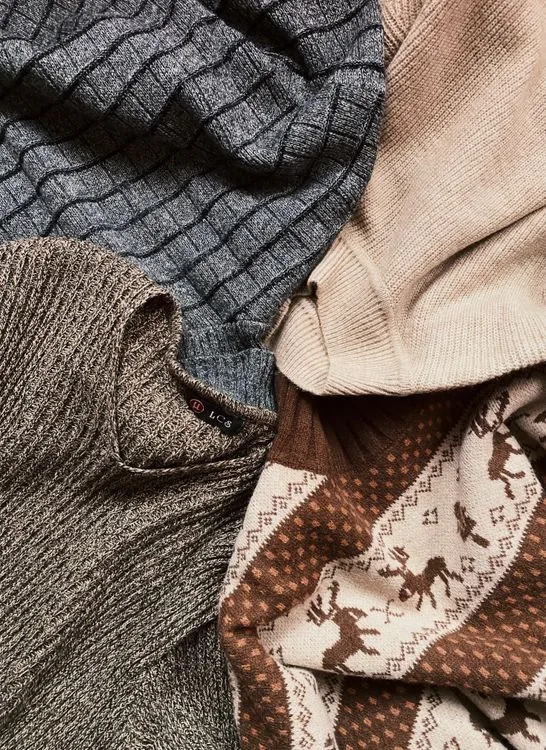
The other common mistake is wearing a base layer that is too warm for the day. A heavyweight base layer in a heated office will make you sweat, and then you will feel cold when you step outside again. Match the weight to the day: lightweight for mild days, midweight for ordinary winter, heavyweight only for real cold. And if you are going from outdoors to a heated room, take the mid-layer off — the base layer alone is usually comfortable indoors.
How to care for thermal base layers
Base layers sit against the skin all day, so they need washing after every wear or two — merino can go longer because it resists odour, while synthetics need washing after every wear. Wash them cold and gently, in a mesh bag if you have one, and avoid fabric softener, which coats the fibres and reduces wicking. Air-dry rather than tumble-drying: heat damages elastane and shrinks wool.
Merino needs the same gentle care as any wool garment — cold water, wool wash, and no hot dryer. Silk base layers should be hand-washed or washed on a delicates cycle. The care advice in how to care for silk, cashmere, velvet and wool applies here too.
Store base layers folded, not hung — hanging stretches the shoulders. Keep two sets in rotation: one to wear, one in the wash. Two good base layers cost less than one heavy coat, and are worn far more often.
Common mistakes and how to fix them
- Wearing cotton as a base layer. Cotton holds moisture and feels cold once you warm up. Fix: switch to merino, synthetic or silk.
- Buying a base layer that is too loose. A loose layer cannot trap air or wick moisture. Fix: size down — it should feel like a second skin.
- Skipping the base layer and piling on knits. Two heavy knits are colder than a base layer plus one knit. Fix: build from the skin outwards.
- Wearing a heavyweight base layer indoors. You sweat, then feel cold outside. Fix: match the weight to the day, and remove the mid-layer indoors.
Frequently asked questions
Do thermal base layers really keep you warm?
Yes — a close-fitting base layer in merino, synthetic or silk traps warm air against your skin and moves moisture away. It adds real warmth without bulk, and makes the layers over it work better too.
What is the best thermal base layer for women?
For most women, a midweight merino wool top and leggings is the best all-round choice. Synthetic is the best budget and high-activity option; silk is the best when the layer must be invisible under fitted clothes.
Should a base layer be tight?
It should be close-fitting — like a second skin — but not restrictive: snug everywhere, no sagging, no pulling when you move. If you can pinch a lot of fabric at the waist, it is too loose; if it restricts breathing or movement, it is too tight.
Can you wear a base layer under a dress?
Yes — a thin silk or lightweight merino top under a dress is invisible and adds real warmth. Choose a crew-neck top for high-neck dresses and a vest for low-neck ones.
How many base layers do I need?
Two sets are enough for most winters: one to wear and one in the wash. Add a lightweight set for mild days and a heavyweight set for deep cold only if your climate needs them.
Conclusion
A thermal base layer is the most useful piece of winter clothing you cannot see. Buy a midweight merino or synthetic top and leggings, in a close fit, and wear them under everything. Match the weight to the day, care for the fibres gently, and the rest of your wardrobe works harder: the same coat, the same knit, the same dress, all warmer than before.